
Camp meals
Low-Water Camping Meals
Water is heavy, and dishes eat a lot of it. These low-water camping meals use one pan, little rinsing and smart prep, so you can cook well at camp and still have enough left to drink. Pick a recipe and pack light on water.
140+ low water recipes
Low-water breakfasts
All 31 →  Crew Recipe
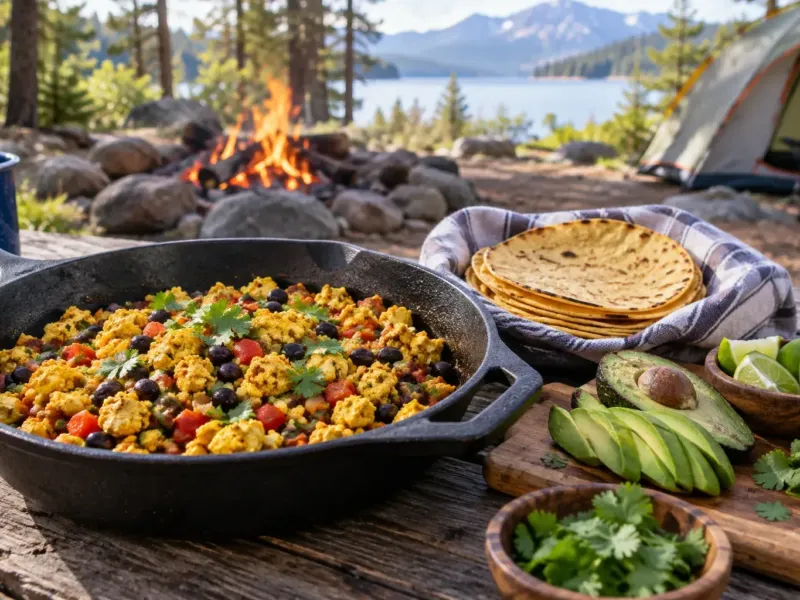
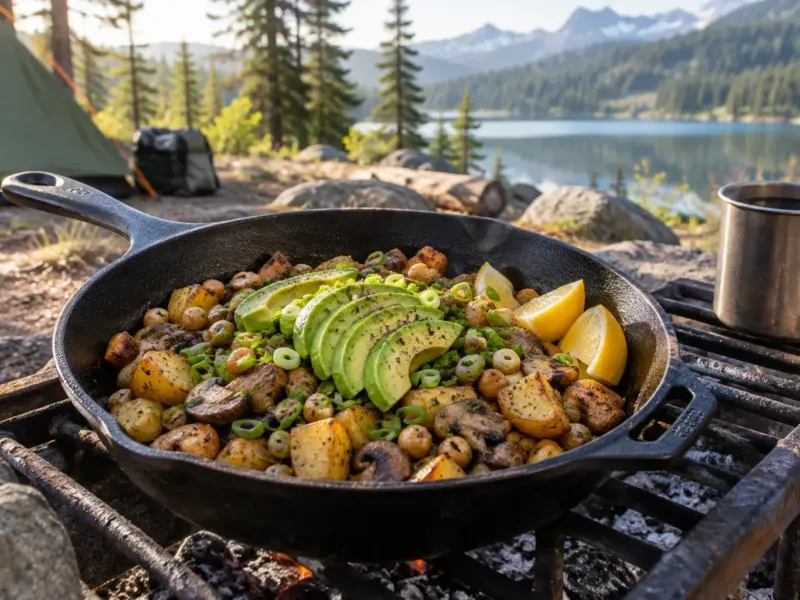 Crew Recipe
Low-water lunches
All 19 →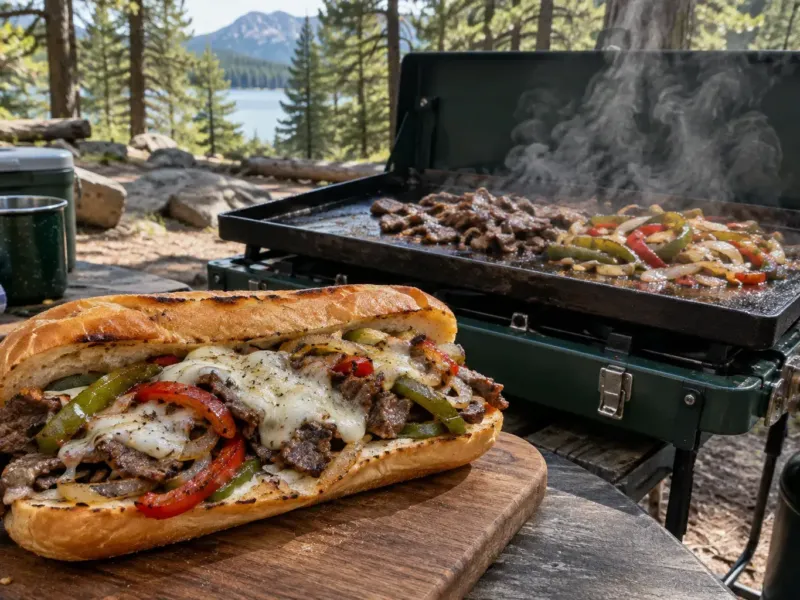 Crew Recipe
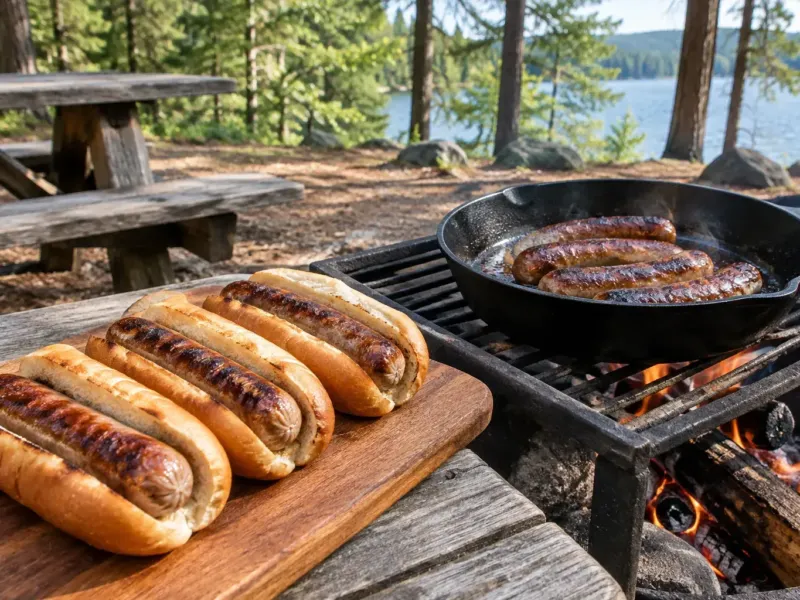
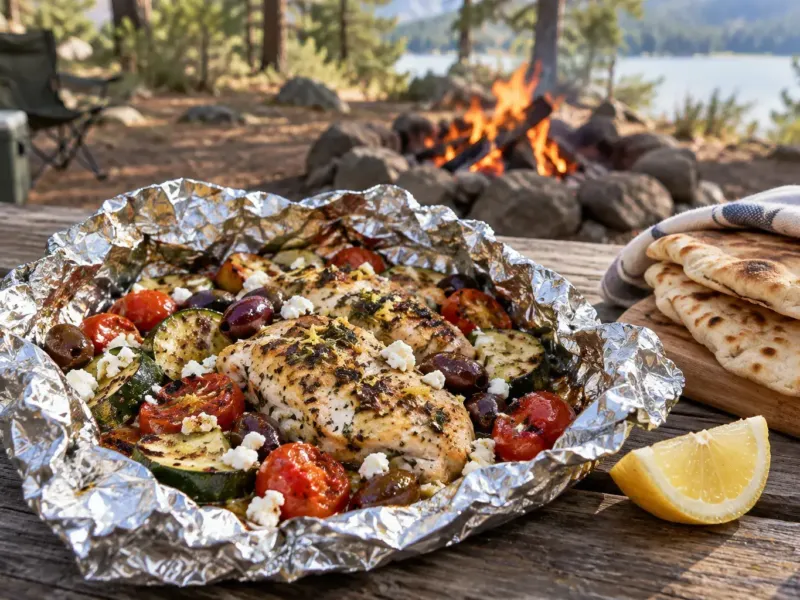
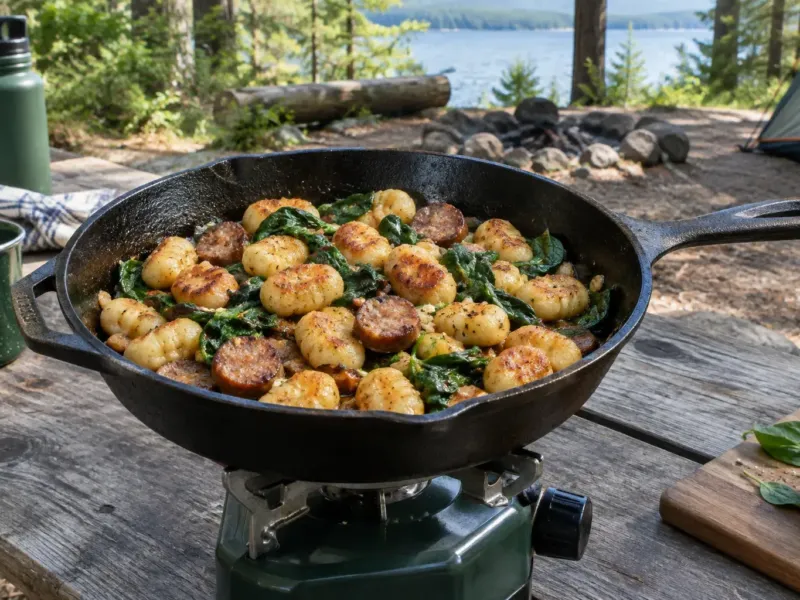
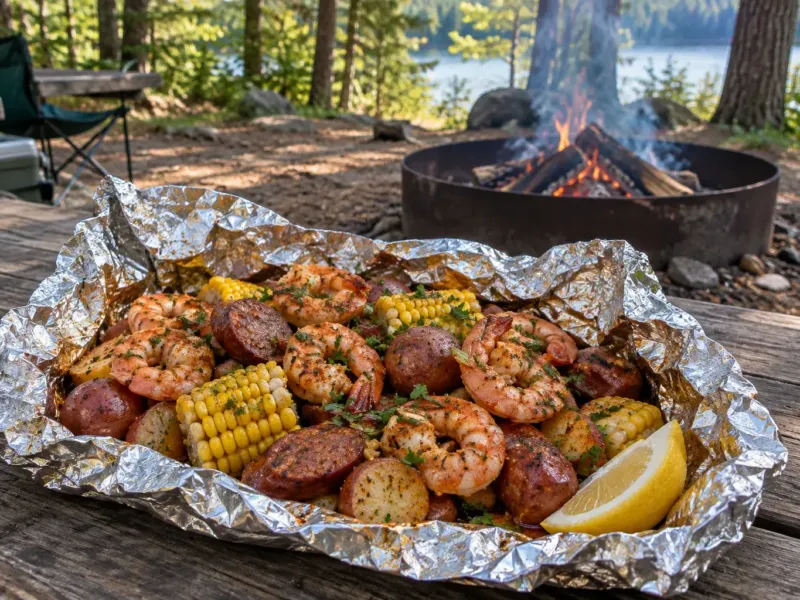 Crew Recipe
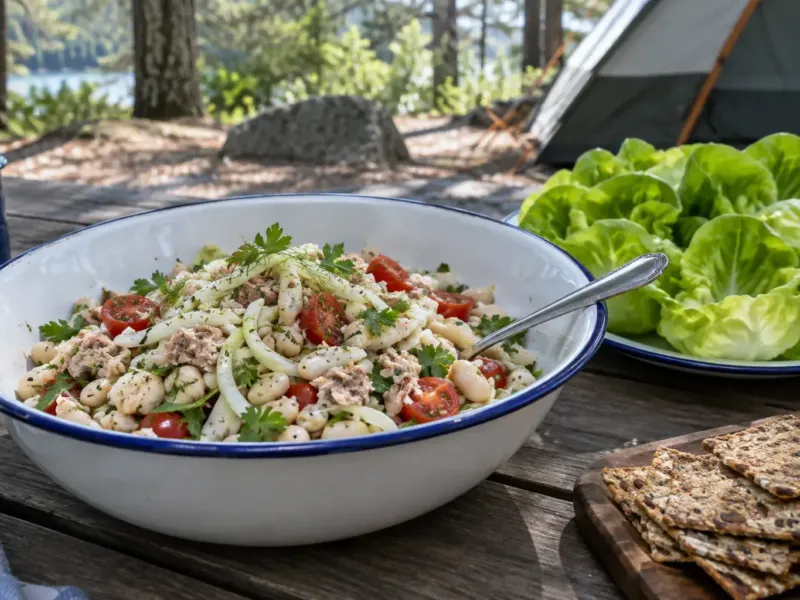
Low-water dinners
All 58 →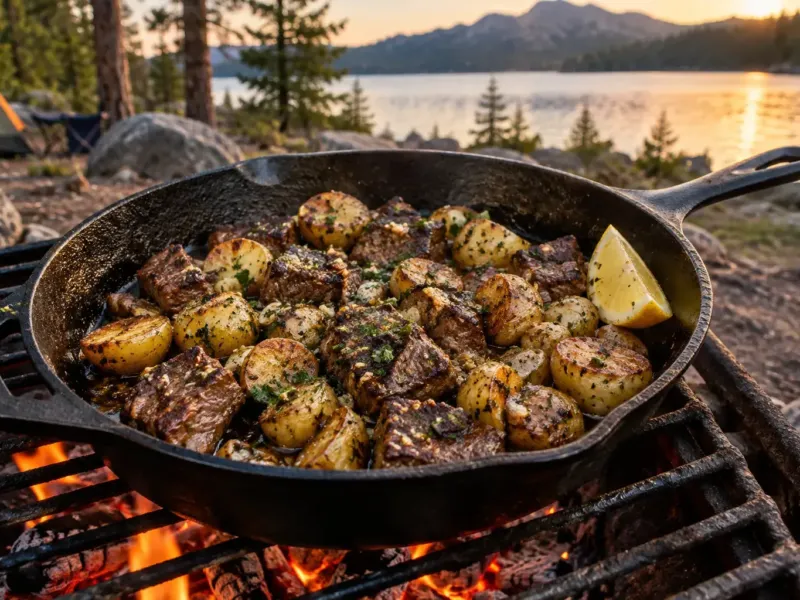
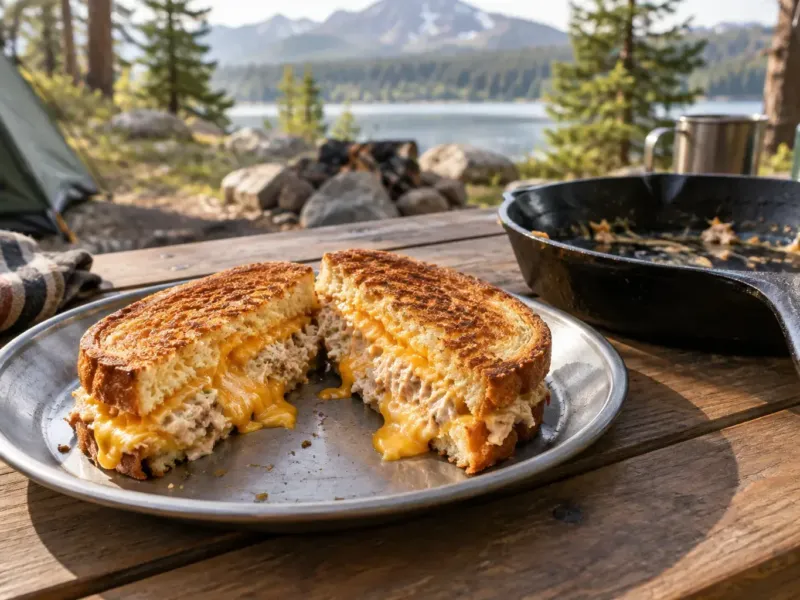
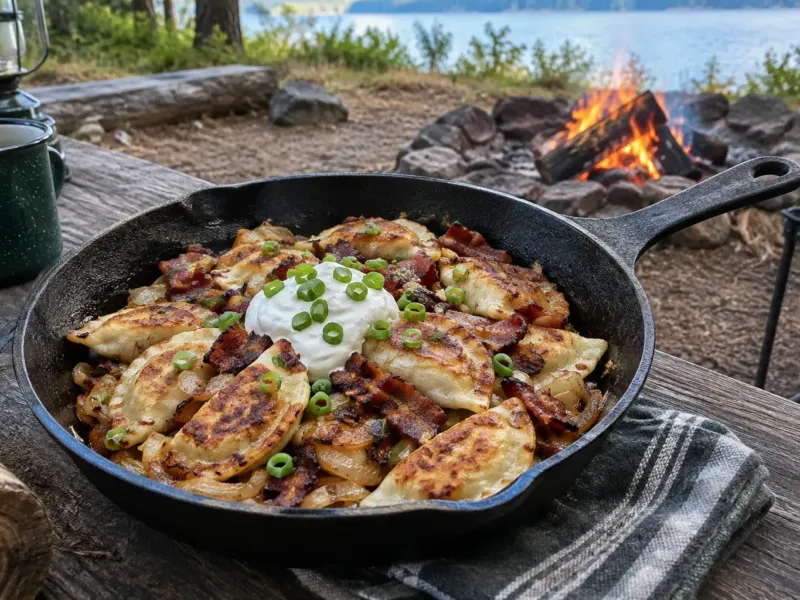
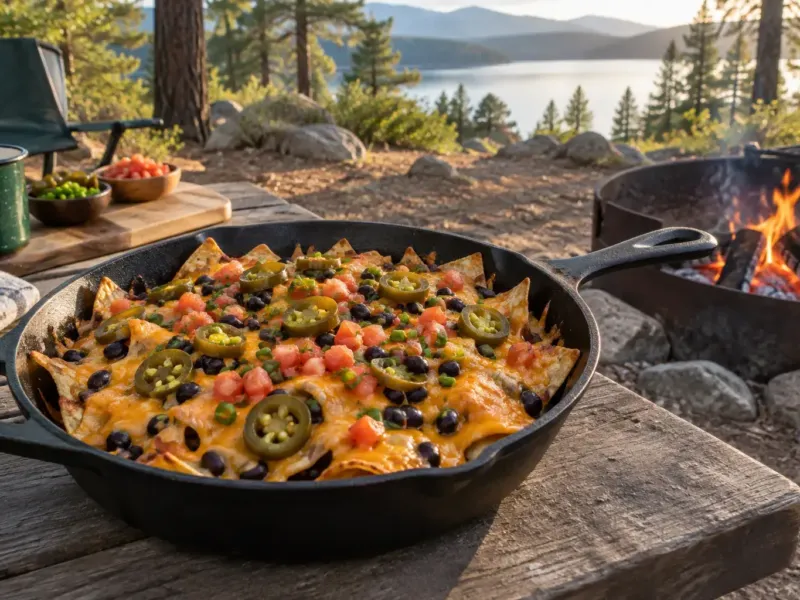 Crew Recipe
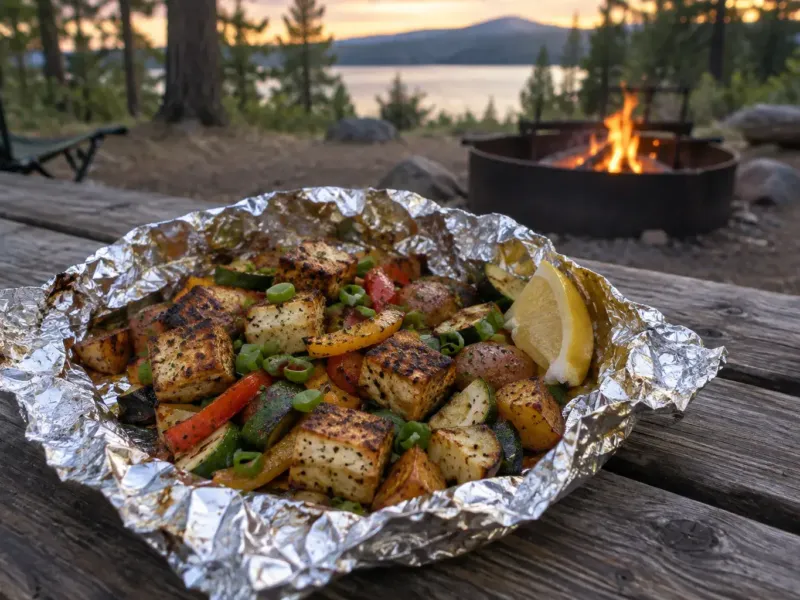
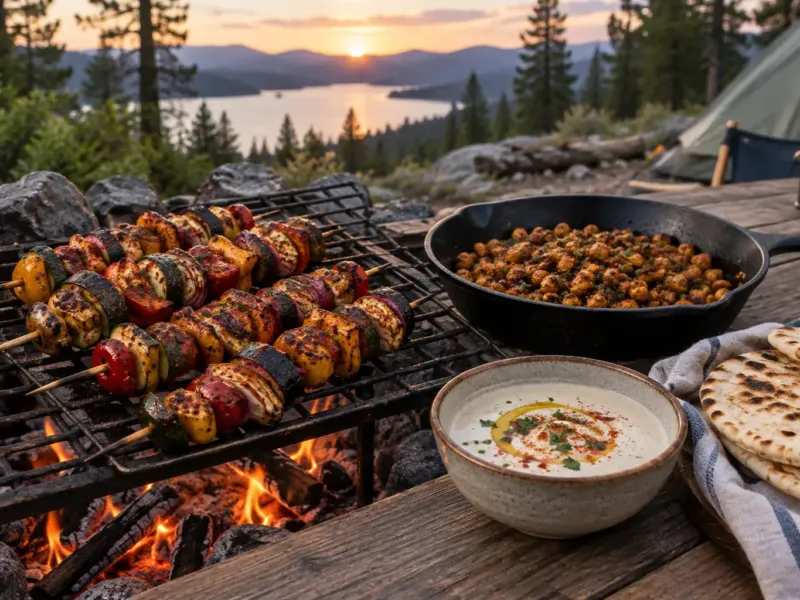
Low-water snacks & treats
All 36 →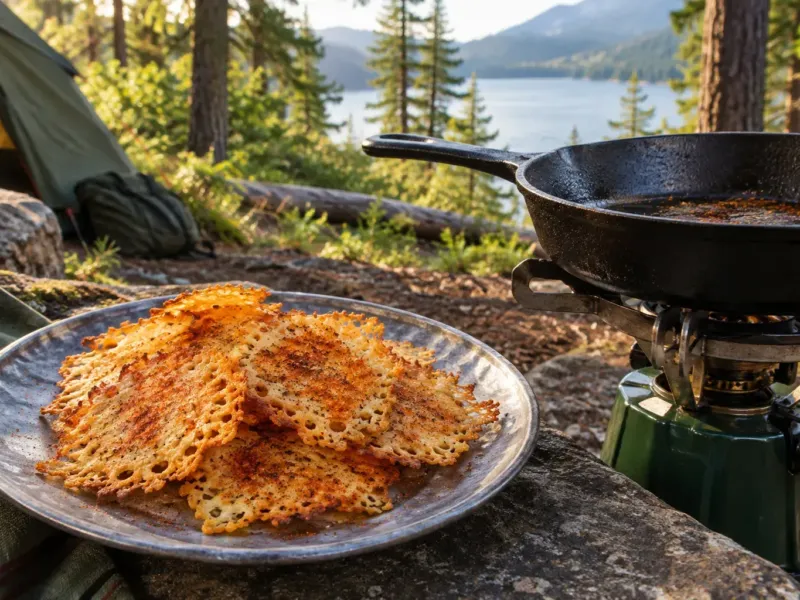
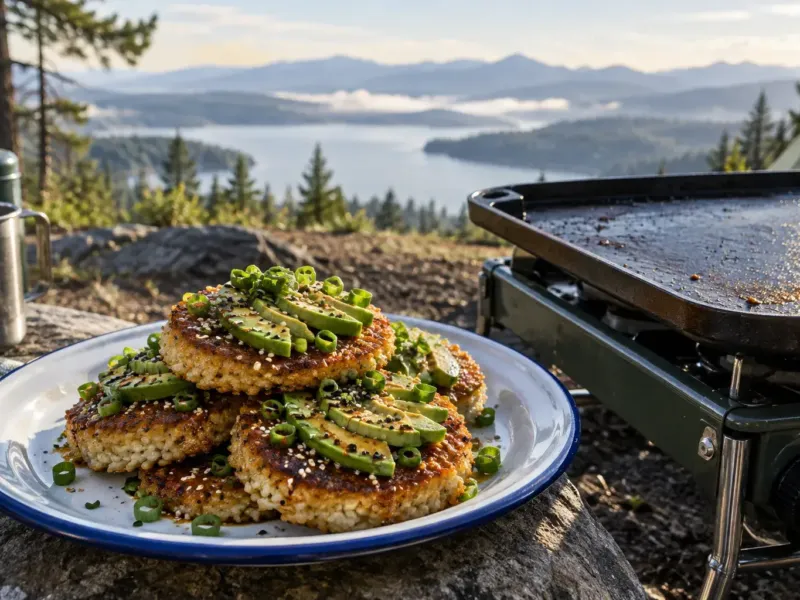
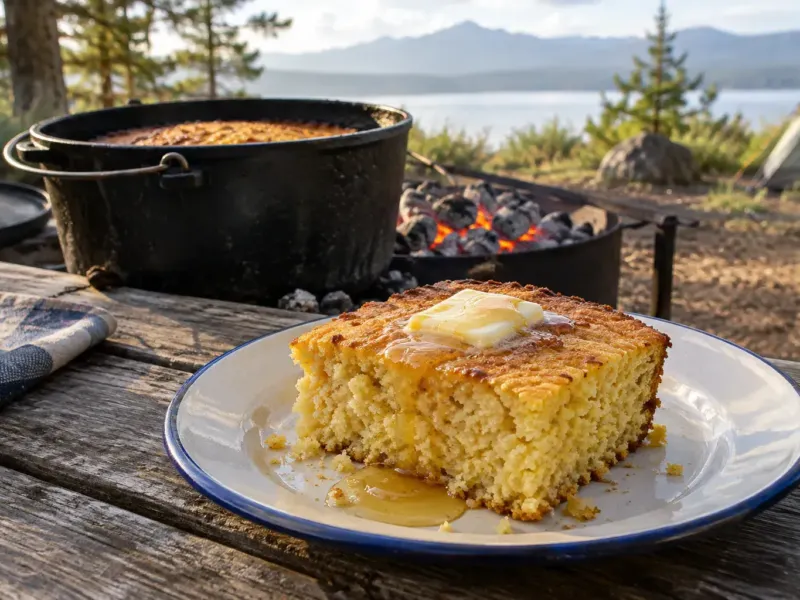 Crew Recipe
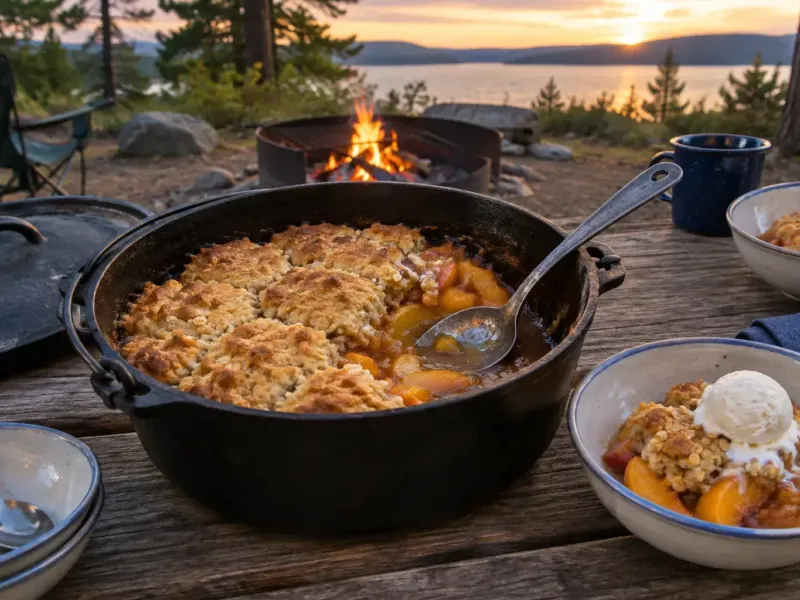 Crew Recipe
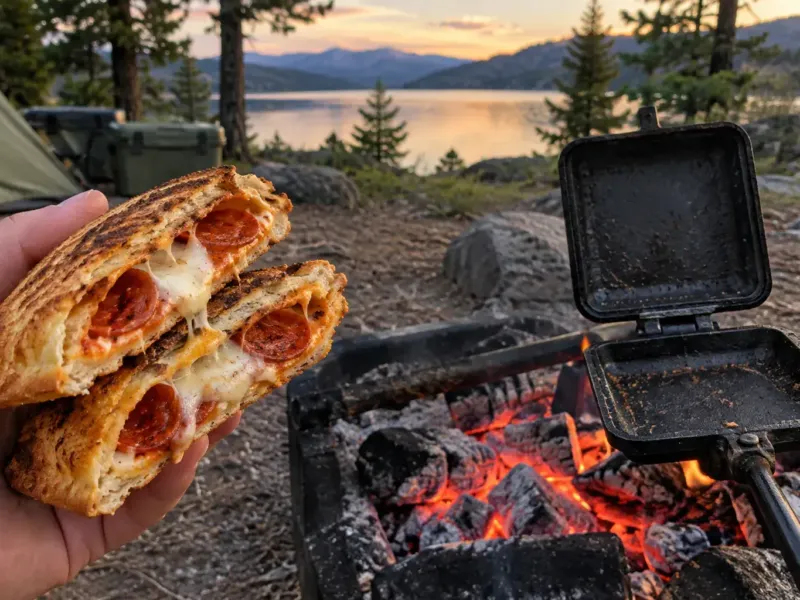
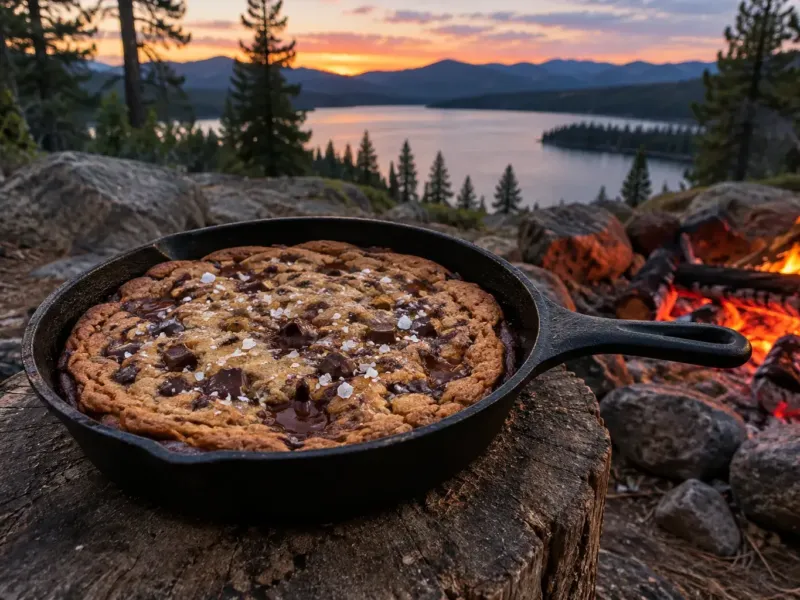 Crew Recipe
Low-water drinks
All 9 →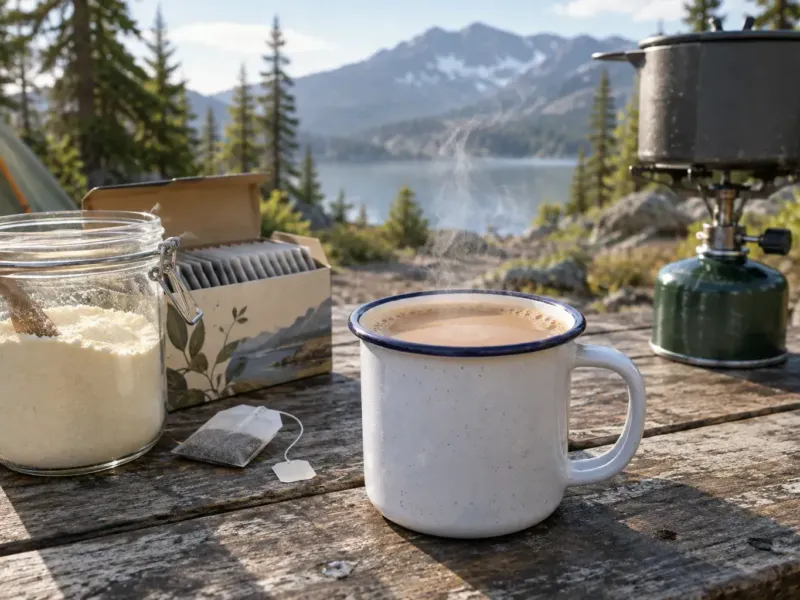
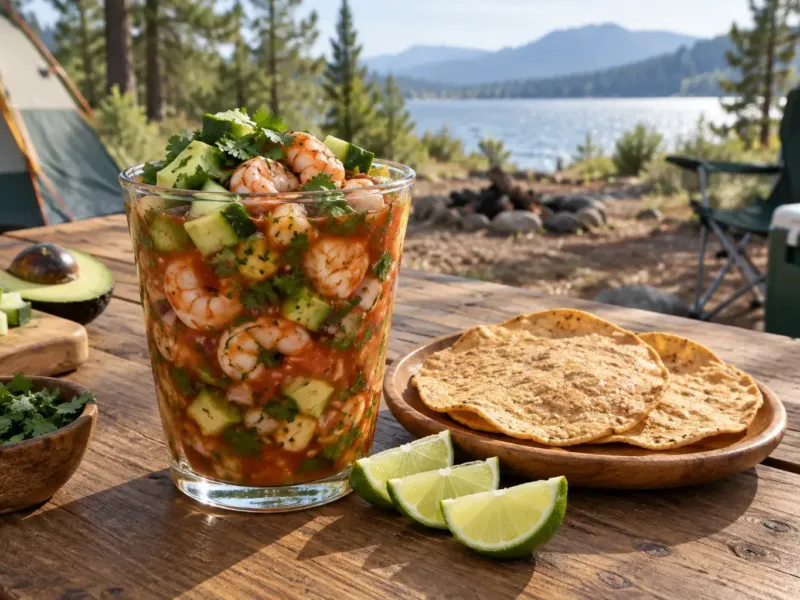 Crew Recipe
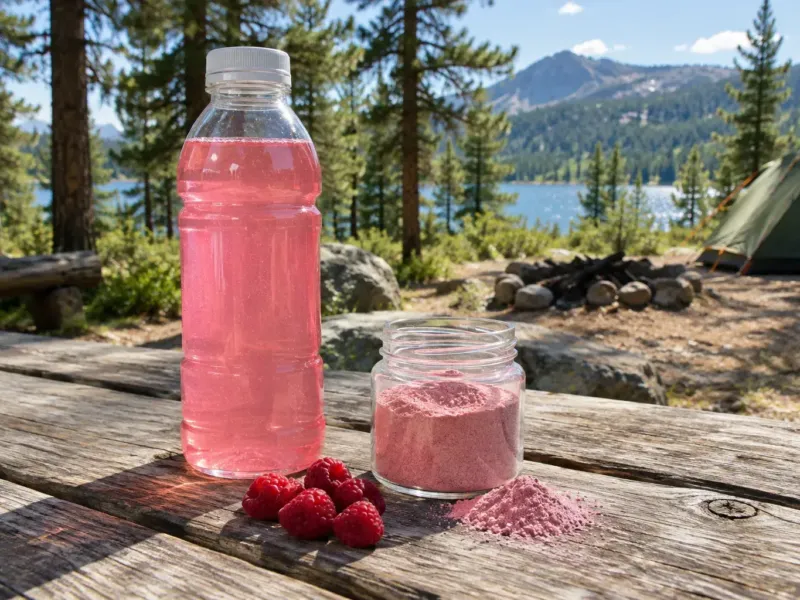
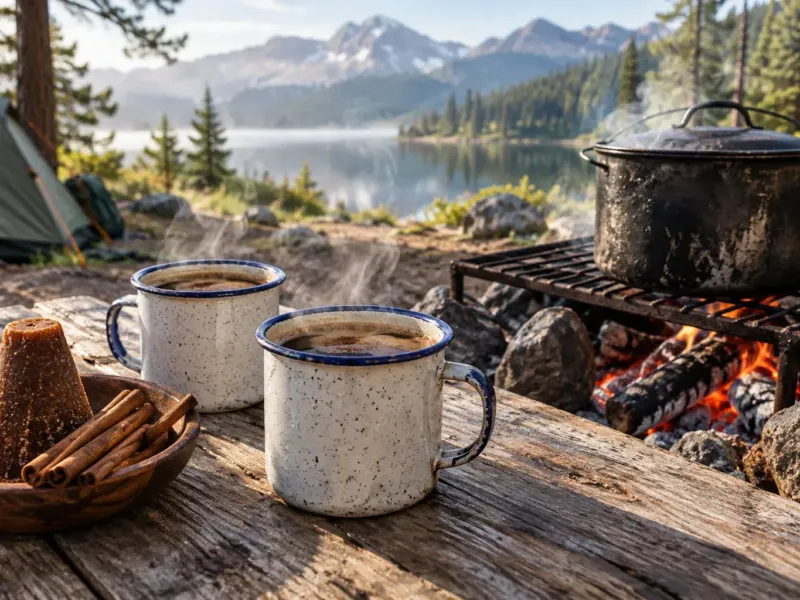 Crew Recipe
About low-water camping meals
Plan your water before you plan your menu. A good rule is about a gallon per person per day for drinking and cooking, plus a little extra for cleanup. Choose meals that cook in one skillet, one Dutch oven or one foil packet. Pierogi, skillet nachos, scrambles, hashes and foil dinners all fit. Skip pasta that needs a big pot of boiling water and anything that needs lots of rinsing. Pack paper towels, a pan scraper and a small squeeze bottle for sparing rinses. Do most of your chopping at home and bring ingredients in zip bags so you wash fewer boards and bowls.
Clean as you go, and clean dry first. Scrape the pan with a scraper or a piece of bread, then wipe it with a paper towel while it is still warm. Cast iron needs a wipe and a light coat of oil, not a soak. For stuck bits, heat a splash of water in the pan, scrub, and wipe. Use that same splash to clean a few utensils. Strain out food scraps and pack them out. Scatter gray water well away from streams, lakes and campsites, at least 200 feet, and follow local rules. Never use soap in a water source.
Food safety still matters when water is tight. Hand sanitizer does not replace washing after you handle raw meat, so keep a small jug of water with a drop of soap for that job, and keep raw meat sealed and at the bottom of the cooler at 40°F or below. Cook chicken to 165°F, ground beef and sausage to 160°F, and pork to 145°F, and check with a thermometer. Use separate utensils and plates for raw and cooked food. The most common mistakes are packing too many pots, forgetting a pan scraper, and cooking a messy meal on the last night with no water left. Save your simplest meal, and your extra water, for the end of the trip.
Questions
How much water do I need for camp cooking?
Plan on about a gallon per person per day for drinking, cooking and light cleanup. Add more for hot weather, big groups or recipes that need boiling.
What are the best low-water camping meals?
One-pan meals work best, like skillet nachos, tofu scrambles, hashes, foil packet dinners and pan-seared steak bites. They need little or no extra water and leave you with one pan to wipe clean.
How do I wash dishes with very little water?
Scrape and wipe the dish with a paper towel first, then use a small splash of warm soapy water and a scrubber. Rinse once with a minimal amount of clean water.
Where do I dump dishwater at a campsite?
Strain out food bits and pack them out. Then scatter the water widely at least 200 feet from streams, lakes and camp, unless local rules say otherwise.
How do I keep hands and food safe with limited water?
Wash your hands with soap and a little water after touching raw meat, and use hand sanitizer only on hands that are already clean. Keep raw meat in a cooler at 40°F or below and cook it to safe temperatures.